
What a smart sports locker is, and what it is not
A smart sports locker is an electronic cabinet with a touchscreen and a payment terminal that hires out and sells equipment with no one at the counter. A player picks a racket, paddle, club or ball on the screen and pays. One compartment opens, and the hire stays open against their card until the gear comes back.
Searches for “sports lockers” and “gym lockers” also return changing-room furniture: steel or wooden lockers where people leave a bag. That is a different product. KioskForce builds the electronic, access-controlled kind: cabinets that know which door opened, for whom, and whether the item came back.
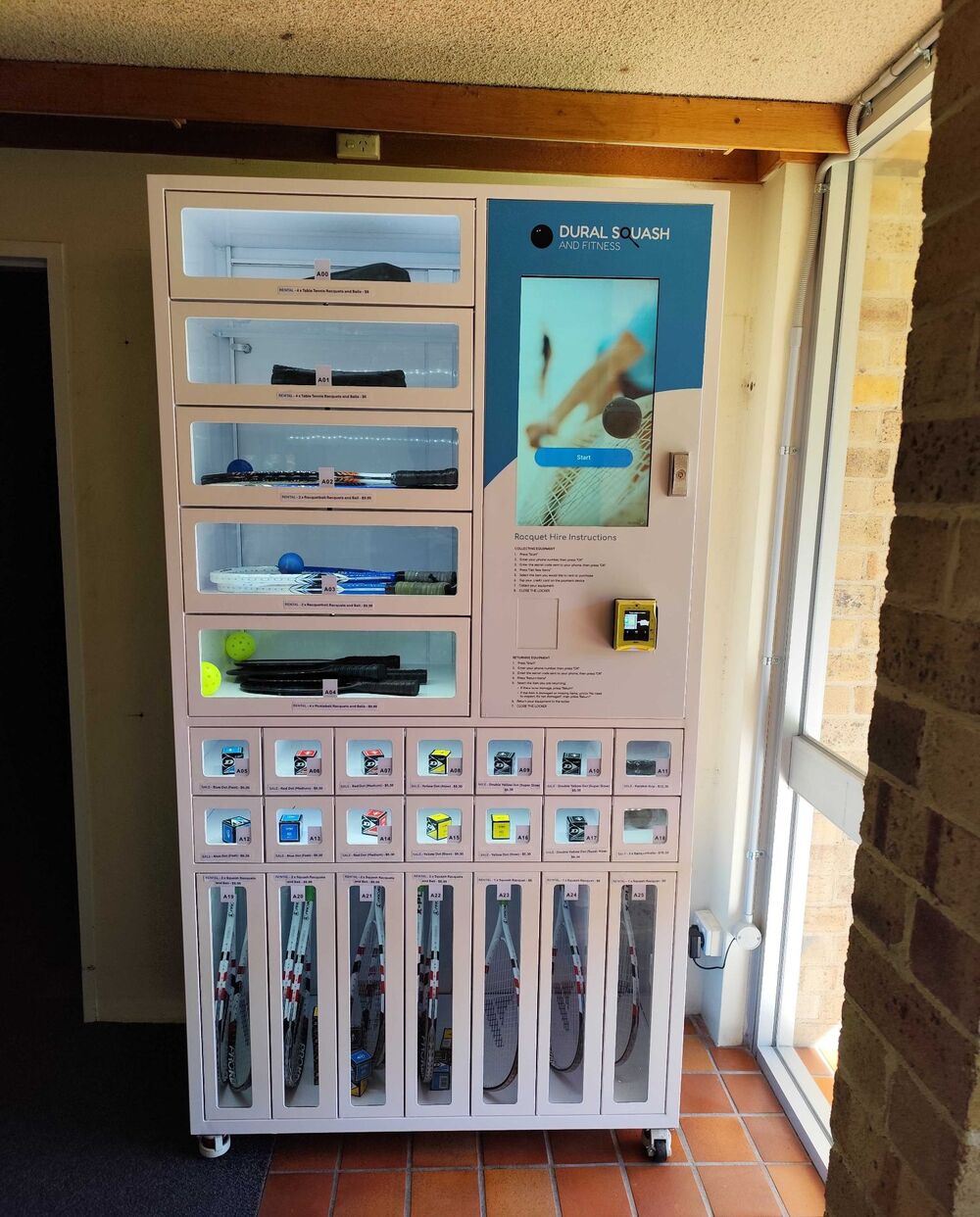
Where they are used
| Venue | What the locker does | Read more |
|---|---|---|
| Padel clubs | Racket and ball hire, with cells sized to padel rackets (about 45.5 × 26 × 3.8 cm) | Padel club locker systems |
| Pickleball venues | Paddle and ball hire, courtside | Pickleball equipment hire |
| Tennis clubs and public courts | Racket hire and ball sales | Tennis equipment hire |
| Golf venues | Club hire from tall compartments sized to the clubs | Golf lockers below |
| Gyms and hotel gyms | Towel and gym kit hire, with returns logged per guest or member | Hotels |
| Community and recreation centres | Basketballs and other shared sports equipment | Equipment hire |
How a hire works
| Step | The player | The locker |
|---|---|---|
| 1. Browse | Sees the available equipment, with photos and prices, on the touchscreen | LEDs show each compartment as available (green) or in use (red) |
| 2. Pay | Chooses the item and pays by card or QR code | Records the start of the hire |
| 3. Pick up | The door opens and they take the gear | Logs the pickup. On cells with weight sensors, the weight is logged too |
| 4. Return | Returns the gear to any available compartment and closes the door with the same card or QR code | Closes the hire and settles the card. If the cell has a weight sensor and the item comes back underweight, the door stays open and staff are alerted |
Why the card hold works
At the moment the player pays, nobody knows the final amount. The racket might come back in an hour, come back damaged, or not come back. The standard KioskForce hire build uses a Nayax reader running the Marshall protocol in its multi-session configuration. The card is authorised at pickup and settled for the amount owed after the return, anywhere from one minute to 71 hours later. Nayax has certified this integration for the Equipment Rental machine type. That is what makes the “return it or your card will be charged” notice on the cabinet enforceable. Other cashless readers are supported for pay-up-front sales. See paying at the locker.
Weight sensors are optional
Every hire carries an audit trail as standard: who took what, from which cell, when, and against which card. Weight sensing is an option on top of that, specified per cell when you order. Sensors are fitted during manufacture and cannot be retrofitted, so most venues fit them only to the cells holding their most expensive gear. Two similar items sharing a cell cannot be told apart by weight, so the record is per cell, not per item. See weight-sensor tracking.
Hire and sell from the same cabinet
Any door can sell instead of hire. The player who has just hired a racket is the one most likely to need balls or a grip right now. Door sizes follow what you sell:
| Door type | Typical use |
|---|---|
| Tall compartments | Hiring rackets, paddles, bats and clubs, sized to the longest item |
| Mid-height drawers | Hire sets issued and returned as one unit, for example rackets with balls |
| Small doors | Balls, grips, overgrips and wristbands for sale, one product per door |
The split is decided when the cabinet is built, because door sizes are physical. Whether each door hires or sells can be changed afterwards, and you can update prices remotely. Sold items do not need to come back, so sale doors are the cheapest capacity in the cabinet.
Golf lockers
Golf clubs are among the equipment our hire lockers are designed to rent. For a golf venue, a smart locker means tall compartments sized to the club set, card or QR payment at the cabinet, and the card held until the clubs are back. A driving range or course can use the same hire-and-sell layout as a tennis club, with clubs in the tall cells and balls or gloves for sale in the small doors.
We do not make the wooden bag-storage lockers found in clubhouse changing rooms. If you are looking for electronic, access-controlled storage for golf equipment, send us the dimensions of the longest item and we will size the compartments.
Gym lockers
Our gym locker deployments are about equipment and amenities, not bag storage. A hotel or club gym can hire out towels and gym kit from a smart locker. Guests open it with their room key or a mobile app, and every return is logged against them, so the desk knows who still has an item. The same cabinet can sell items from small doors, so you can put a vending machine in locker room areas without adding a second cabinet.
The cabinet itself is the same PIN or card-access custom smart locker used for staff storage. If you also want members to store belongings, tell us how they should open a cell (membership card, PIN or app) and we will scope it.
Built for courtside
- Weather-resistant construction with polycarbonate doors, so players can see the equipment inside.
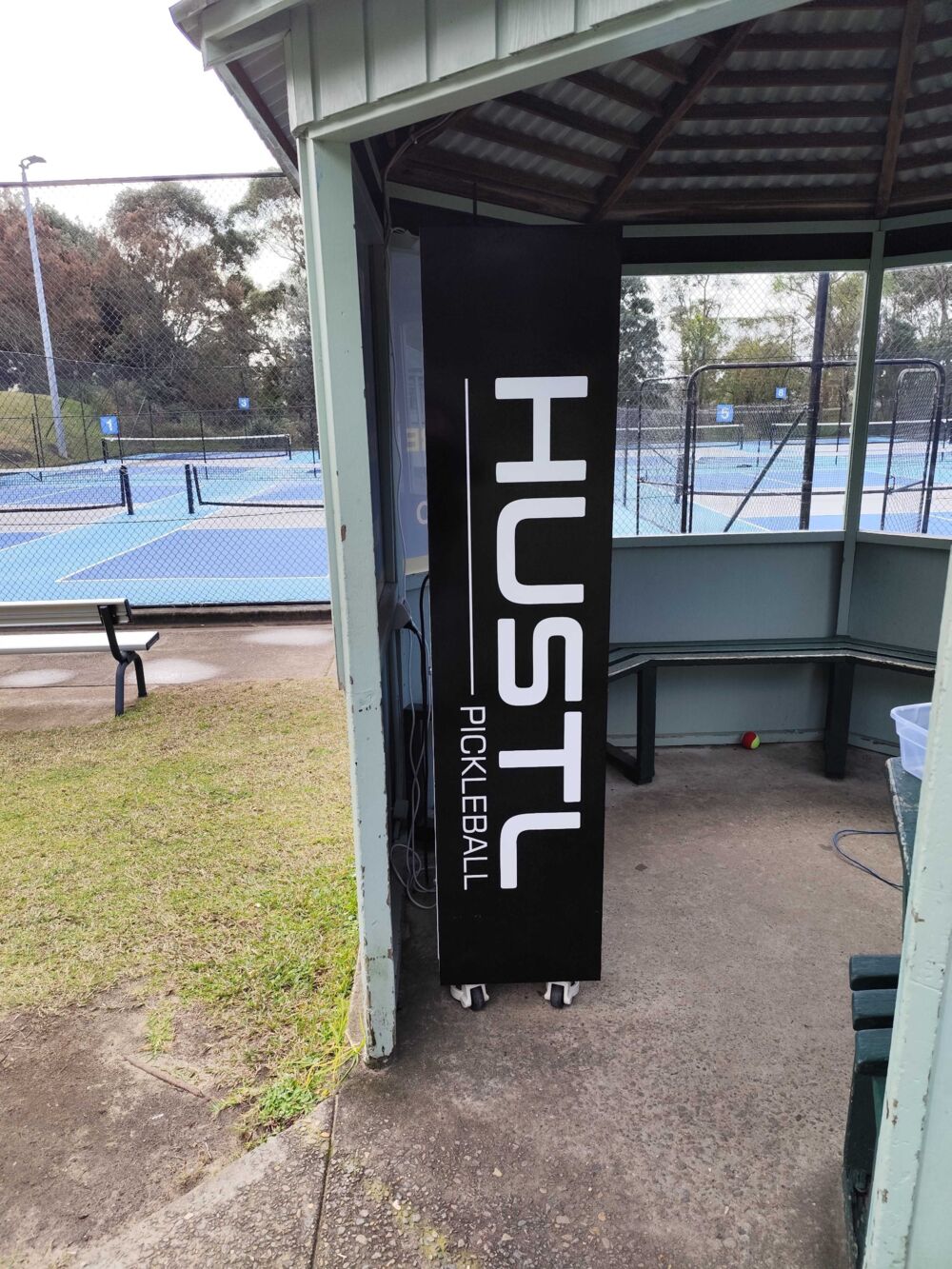
- Proven outdoors: a courtside unit runs year-round in an open-sided shelter beside outdoor courts.
- Heavy-duty castors, so the cabinet can go under cover out of season or move for a tournament without new wiring.
- Branded to the club. Every unit is finished in the venue’s own livery.
- Modular. Start with a few compartments and add modules as demand grows. All modules are managed from the same dashboard.
Software for the club
- Live inventory: which items are out, and when they are due back
- Usage data: peak hours, the most-hired items, revenue per compartment
- Pricing by the hour, per session, by the day or by membership tier
- Member access with an existing membership card or app, and optional court-booking integration
- Remote control: check status, change prices and open doors from anywhere
- Low-stock and maintenance alerts
What a sports locker costs
| Item | Published price | Source |
|---|---|---|
| Hire locker system, 4–8 compartments, including hardware and setup | From about US$8,000 | Equipment hire |
| Padel club locker system, 8 compartments (worked example) | $8,000 | Padel |
| Tennis locker system, 12 compartments (worked example) | $10,000 | Tennis |
| KioskForce software fee | About $0.70 per rental transaction | Padel |
The venue sets its own rental prices and keeps the rental revenue. Purchase and lease-to-own are both available. A standard deployment takes 4–8 weeks from order to live. Allow 1–2 weeks for design, 2–4 for manufacture and 1–2 for shipping and installation. The padel and tennis pages include worked revenue examples, with their assumptions stated.
Frequently asked questions
What is a smart sports locker?
A smart sports locker is a cabinet of electronically locked compartments with a touchscreen and a payment terminal, used to hire out or sell sports equipment without staff. A player selects an item, pays by card or QR code, and a compartment opens. The hire stays open against their card until the equipment is returned to a cell, and the venue manages pricing, stock and doors remotely. It is a different product from a changing-room or team-room locker, which only stores belongings.
How does a gear locker make sure equipment comes back?
By keeping the payment open. KioskForce’s standard hire build uses a Nayax reader on the Marshall protocol in its multi-session configuration: the card is authorised at pickup, the session stays open during play, and settlement follows for the amount actually owed once the gear is returned. Nayax supports settlement from one minute up to 71 hours after authorisation. Cells can also be fitted with weight sensors that compare the return weight to the pickup weight. These are an option specified per cell at order, because they cannot be retrofitted.
Can sports lockers sell balls and grips as well as hire rackets?
Yes. Any door can be set for sale instead of hire, and the cabinet runs both modes side by side. A typical build has tall compartments for racket or paddle hire and a bank of small doors that sell balls, grips and overgrips, one product per door. Door sizes are set when the cabinet is built, but whether each door hires or sells can be changed afterwards.
Do you make golf lockers?
We build smart hire lockers whose compartments are sized to the longest item the venue issues, and golf clubs are among the equipment our hire lockers are designed to rent. A golf venue gets tall compartments for club sets, card or QR payment, and the card held until the clubs are returned. We do not make wooden golf club bag lockers for changing rooms. KioskForce lockers are electronic, access-controlled cabinets.
Can sports lockers be installed outdoors?
Yes. KioskForce hire lockers use polycarbonate doors and weather-resistant construction for courtside installation, and one courtside unit runs year-round in an open-sided shelter beside outdoor courts. Heavy-duty castors let a venue move the cabinet under cover out of season or reposition it for a tournament.
How much does a sports equipment hire locker cost?
A basic 4-8 compartment smart locker system starts at approximately US$8,000 including hardware and setup. A published 12-compartment tennis example is $10,000 for the locker system. The venue sets its own rental prices and keeps the rental revenue, and KioskForce charges a software fee of about $0.70 per rental transaction. Purchase and lease-to-own are both available, and a standard deployment takes 4-8 weeks from order to live.
Can members open the locker with their membership card?
Yes. The locker system can link to a venue’s member database, so returning players access equipment with their existing membership card or app, and it supports API integration with court booking and membership platforms. Hotels use the same approach for pool towel and gym equipment hire, with guests opening the locker using their room key or a mobile app.
Related
- Smart lockers: how they work, types and cost: the full guide
- Padel club locker systems
- Automated equipment hire
- Cell phone lockers and lockers for employees
- Custom smart locker configurator and quote
- Pickleball and padel equipment hire: the market case
Talk to us about a sports locker
Tell us the sport, the number of courts or members, and the longest item you want to hire. We will come back with a compartment layout and a price.
Project brief · 60 seconds
What are we building together?
Three quick steps. Your brief goes straight to the engineers who design, build and support KioskForce systems.

